EDUCATION
Aesthetic Insurance in Ireland: The Complete Guide for Practitioners and Clinic Owners
The Irish aesthetics industry is growing fast. Doctors, dentists, nurses, pharmacists and beauty professionals are all expanding into non-surgical cosmetic treatments – and more clinics are opening to meet demand. That growth brings opportunity, but it also brings professional and commercial risk that both individual practitioners and clinic owners need to plan for.
Whether you’re a solo practitioner injecting dermal fillers between other clinical work, or you own and run a multi-treatment-room clinic with staff, equipment and premises to protect, “having insurance” isn’t a single decision – it’s a set of decisions. Practitioners need cover for the clinical risk of treating patients. Clinic owners need that too, plus cover for their premises, staff, equipment and ability to keep trading if something goes wrong. Gaps in either can leave you personally liable for claims worth tens or even hundreds of thousands of euros.
This article walks through the main types of insurance relevant to aesthetic practitioners and clinic owners, what each is generally designed to do, and how to think about what’s right for your practice.


The Main Types of Insurance Cover for Aesthetic Practitioners
Medical Malpractice Insurance
Medical malpractice insurance is arguably the most important policy for anyone performing aesthetic treatments – injectables, laser, thread lifts, chemical peels, and similar procedures.
It protects you if a patient alleges that your professional advice, treatment or clinical decision caused them injury or financial loss.
Claims may involve allegations such as:
- Incorrect treatment selection
- Poor aesthetic outcome
- Nerve injury
- Vascular occlusion
- Scarring
- Pigmentation changes
- Infection
- Delayed diagnosis
- Failure to obtain informed consent
- Incorrect aftercare advice
Importantly, professional indemnity insurance usually covers not only compensation payments where appropriate, but also legal defence costs, expert witnesses and claim investigation.
“Legal defence costs can run into tens of thousands, even when a claim is successfully defended.”
Medical Malpractice vs. Professional Indemnity
Many practitioners use these terms interchangeably, but there can be differences depending on the insurer and policy wording.
Some policies specifically refer to:
- Professional Indemnity
- Medical Malpractice
- Clinical Negligence
The terminology matters less than understanding exactly what activities your insurer agrees to cover.
For example, you should check whether your policy includes:
- Injectable treatments
- Laser procedures
- Skin rejuvenation
- Advanced skin treatments
- Complication management
- Prescribing activities
- Complications following dissolved filler
- Off-label treatments where legally appropriate
Always check that every procedure you perform appears within your schedule of cover.
Public Liability Insurance
Public liability insurance protects your business if someone suffers injury or property damage that is unrelated to your clinical treatment.
Examples include:
- A client slipping on a wet floor
- A visitor tripping over electrical cables
- Damage caused to a client’s belongings
- Injury from faulty furniture within your clinic
Although these incidents have nothing to do with aesthetics itself, they can still result in significant compensation claims. Professional indemnity would generally not respond to these situations – this is specifically relevant to clinic owners managing physical premises.
Product Liability Insurance
Many aesthetic businesses sell products alongside treatments.
These may include:
- Medical-grade skincare
- SPF products
- Cleansers
- Chemical exfoliants
- Supplements
- Homecare devices
If a product you supply allegedly causes injury, an allergic reaction or damage, product liability insurance may respond. This is particularly important if you import products yourself or distribute products under your own brand.
Employers’ Liability Insurance
If your clinic employs staff, you may have legal obligations regarding employers’ liability insurance.
This protects the business if an employee becomes ill or injured because of their work.
Examples include:
- Needlestick injuries
- Manual handling injuries
- Slips and falls
- Workplace accidents
- Occupational illness
Even small clinics should understand when this cover becomes a legal requirement.
Clinic Contents Insurance
Many clinics invest heavily in equipment.
This may include:
- Laser systems
- IPL devices
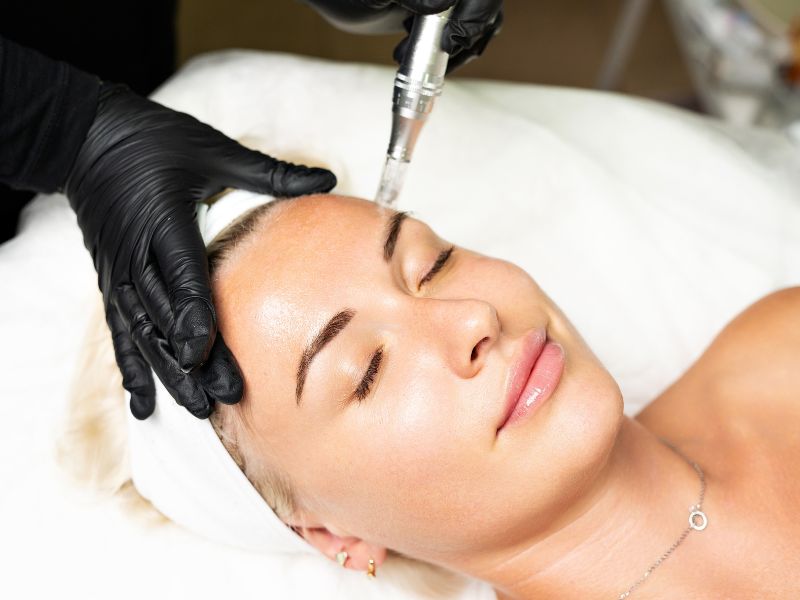
- Microneedling devices
- Examination couches
- Computers
- Stock
- Furniture
- Refrigerated products
Contents insurance helps protect these business assets against risks such as fire, theft, flood, storm damage and accidental damage (depending on policy). Replacing specialist aesthetic equipment can be extremely expensive and may significantly disrupt your business.

Buildings Insurance
If you own your premises rather than lease them, buildings insurance protects the physical structure itself, covering damage caused by fire, flood, storms, escape of water and subsidence (where applicable). Landlords will usually arrange this insurance, although lease agreements should always be checked carefully.
Business Interruption Insurance
Many practitioners focus on claims against patients but overlook one of the biggest financial risks: not being able to trade. Business interruption insurance can help replace lost income if your clinic cannot operate following an insured event – for example, fire damage, floodforced closure, or significant property damage preventing patient appointments. Without income protection, even a temporary closure can have serious financial consequences
Cyber Insurance
Modern aesthetic practices rely heavily on technology. Patient records, appointment systems, payment processing and marketing databases all contain sensitive information.
Cyber insurance may provide assistance following:
- Data breaches
- Ransomware attacks
- Hacking
- Accidental disclosure of patient information
- Business interruption following cyber incidents
With increasing regulatory expectations around data protection, cyber risk is becoming more relevant for clinics of every size.
Equipment Breakdown Insurance
Many advanced aesthetic treatments depend on specialist equipment. Unexpected mechanical or electrical failure can lead to:
- Cancelled appointments
- Lost revenue
- Costly repairs
- Equipment replacement
Equipment breakdown insurance can help minimise these financial impacts.
Directors’ and Officers’ Insurance
For larger clinic groups or incorporated businesses, directors may also wish to consider Directors’ and Officers’ (D&O) insurance. This protects company directors if they are personally accused of wrongful management decisions. While not necessary for every practitioner, it becomes increasingly relevant as businesses grow.
Does working from multiple clinics affect insurance?
Yes. Many practitioners divide their time between their own clinic, other aesthetic clinics, dental practices, medical centres, and mobile treatments (where appropriate)
Your insurer should know:
- Every location where you work
- Whether you travel between clinics
- Whether you rent rooms
- Whether you employ staff
- Whether treatments are performed from your own premises or another provider’s premises
Assuming all locations are automatically covered can lead to unexpected gaps.
What treatment should be declared?
One of the most common insurance mistakes is assuming similar treatments are automatically included. You should declare every treatment you intend to perform, including new treatments introduced after your policy begins.
Examples include:
- Anti-wrinkle injections
- Dermal fillers
- Skin boosters
- Polynucleotides
- PRP
- Microneedling
- Chemical peels
- Laser treatments
- IPL
- Cryotherapy
- Fat-dissolving injections
- Radiofrequency
- HIFU
- LED therapy
Whenever you complete new training, inform your broker before offering the treatment to patients.
Common misconceptions about aesthetic insurance
Choosing the Right Insurance Partner
Insurance should not simply be about finding the lowest premium.
Practitioners and clinics should consider:
- Does the insurer understand aesthetic medicine?
- Are emerging treatments covered?
- Is legal support included?
- Are defence costs covered?
- Can the policy grow as your clinic expands?
- Is guidance available on risk management and claims prevention?
A knowledgeable specialist broker can help ensure your insurance evolves alongside your practice.
Our Team is Here to Help
Insurance should be viewed as an essential part of clinical governance rather than simply an annual administrative task.
As aesthetic treatments continue to evolve, practitioners face increasingly complex legal, regulatory and clinical risks. Understanding the purpose of each type of insurance allows practitioners and clinic owners to make informed decisions, reduce potential gaps in cover and protect both their patients and their businesses.
Whether you are launching a new clinic, introducing advanced treatments or reviewing your existing arrangements, taking time to understand your insurance is one of the most valuable investments you can make in the long-term success of your practice.
Get in touch with our team today – we’re happy to help.
Speak to a specialist aesthetic insurance broker.


Share This Story, Choose Your Platform!



Cosmetic Insure Disclaimer
All the information provided in our Cosmetic Insure Treatment Guides and blog articles serves as a valuable reference and informational resource. Our intention is to offer insights that assist you in making informed choices when exploring the extensive array of non-surgical aesthetic treatments available.
Please note that this information does not constitute medical advice. Any reliance you place on the content found within the Cosmetic Insure Treatment Guides, Cosmetic Insure blog articles, or on any part of cosmeticinsure.com is done so entirely at your own discretion.
Prior to considering any non-surgical cosmetic treatment mentioned anywhere on cosmeticinsure.com, we strongly recommend that you engage in thorough consultation with a duly qualified and accredited practitioner who possesses the proper training and comprehensive insurance coverage for the specific treatment you are interested in. Neither the author of the guides or blog articles, nor the practitioner who has verified these guides, nor Cosmetic Insure, can be held responsible or liable for any loss or claims resulting from the use or misuse of cosmeticinsure.com’s content. Your safety and well-being are our utmost concern.
This article is for general information purposes only and doesn’t constitute insurance or legal advice. Cover, terms, and exclusions vary by insurer and policy – always check your specific policy documents or speak with a specialist adviser about your individual circumstances.
Arthur J. Gallagher Insurance Brokers (Ireland) Limited T/A Gallagher, PolskiQuote, First Ireland, Cosmeticinsure.ie is regulated by the Central Bank of Ireland. Company Registration Number 22380. Registered company address: The Arc, Drinagh, Wexford, Ireland, Y35 RR92. Company Registration Number: 358826